3K, 12K and 18K carbon in a padel racket: what it means
The K in 3K, 12K and 18K stands for thousand: the number of carbon fibres, or filaments, in a single thread of the weave. A 3K thread holds around 3,000 fibres, an 18K thread around 18,000. The number tells you how the carbon weave is built, not how well a racket plays. Core, shape and balance usually decide more.
Written byTeam Custom Your Padel
Anyone shopping for a padel racket runs into it everywhere: 3K, 12K, 18K. Sellers use it as a quality label, but what does the number actually say? Here is the explanation, including what it does not tell you.
What does the K mean?
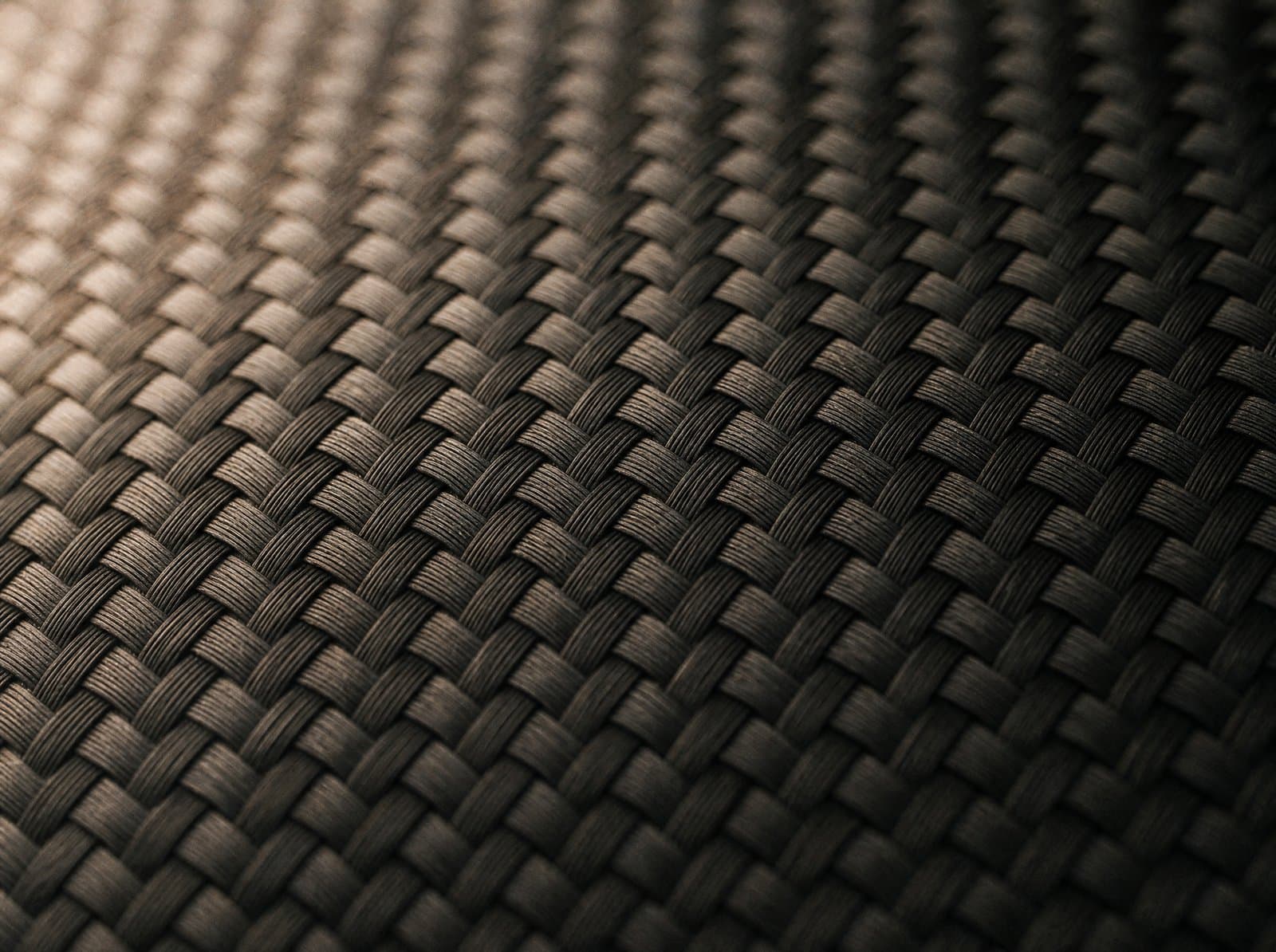
K stands for kilo, so a thousand. Carbon is built up from countless very thin fibres, called filaments, which are bundled into a thread. The K number tells you how many fibres sit in that thread. Those threads are then woven into the fabric that goes into the racket.
What changes in the weave?
| 3K | 12K | 18K | |
|---|---|---|---|
| Fibres per thread | Around 3,000 | Around 12,000 | Around 18,000 |
| Weave | Finer and tighter, more crossings | In between | Thicker threads, more open pattern |
| What you usually read | More comfort and control | Versatile middle ground | Stiff and powerful |
That last row is where it gets awkward. Most sellers describe a higher K number as stiffer and therefore more powerful, and a lower K number as softer and more forgiving. Yet there are sources claiming the opposite: that a weave with thicker threads flexes more. When even the sources contradict each other, the K number is not a reliable predictor of how a racket plays.
What the K does not tell you
The number says nothing about the total amount of carbon in the racket, the number of layers, or the quality of the resin holding it all together. A racket can carry an impressive 18K face over one thin layer, while a racket with an ordinary 3K face may hold several layers of carbon and fibreglass. Looking only at the K means seeing part of the story.
What does decide the feel
- The core. Medium EVA foam is comfortable and all-round; harder EVA gives more power but forgives less.
- The shape. Round, teardrop or diamond changes the balance and the size of the sweet spot. There is more on this in how to choose a padel racket.
- Weight and balance. How the weight is spread over the racket is something you notice on every shot.
- The number of layers and the resin. Rarely printed on the box.
Carbon or fibreglass?
The bigger difference usually sits between carbon and fibreglass. Carbon is as a rule stiffer and more hard-wearing than fibreglass and gives a more direct feel for the ball. Fibreglass is softer and often cheaper.
Which K suits you?
For beginners and recreational players the K number matters little. A 3K carbon face with a medium EVA core gives most players a good mix of control and comfort. If you want to know whether a 12K or 18K model suits you, play with one first, through a demo at a shop or a club. Beyond that it pays to look for a racket that fits how you play rather than a number, which is the approach in choosing a racket as a beginner.
What we use
Our base racket has a 3K carbon face with an EVA foam core, a round shape and a weight of 360 grams, with a 12-month warranty. That is a deliberate choice for recreational play and for players who mostly want something of their own on the face. If you are looking for a specific model with 12K or 18K carbon for attacking play at a high level, a brand racket is the better choice. An honest comparison is in custom padel racket versus brand racket.
Choosing the blade yourself
Want to decide the blade material yourself as a company, club or organisation, from fibreglass to 18K carbon? You can with a fully custom racket: from 6 pieces, in 6 to 8 weeks, with the finish and the details with logo of your choice as well.
Read next
- Guide
Custom padel racket in a tournament: what the rules allow
Can you enter an LTA tournament or a club league with a racket you designed yourself? What the 2026 FIP Rules of Padel say about size, reflective surfaces and the wrist cord.
- Guide
What is padel? The sport, the court and the racket explained
Padel is a racket sport for four players on an enclosed court of 10 by 20 metres. Where it came from, how it differs from tennis and what you need to start.
- Business
Personalised padel balls, covers and overgrips with your logo: how to complete the set
Printed padel balls, a cover with your logo or overgrips in a box with your name: the minimum quantity, how long it takes and how to order.